Anton Machula
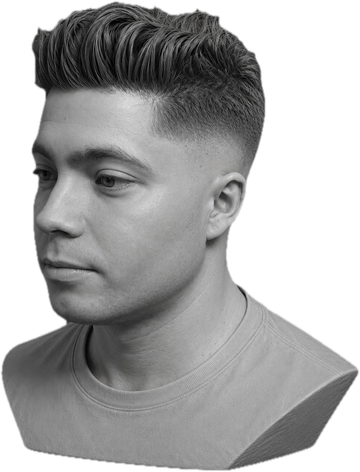
Canadian neuroscientist consulting entrepreneur. In love with motor control neuroscience, endurance, and deep-tech. Ask me how to use neuroscience to: increase your company's product stickiness, have better conversations, and make incredibly memorable, joyful experiences. Part of Dr. Lauren Sergio's Motor control lab, where we look at how movement performance is affected by brain injury, disease, age, skill, sex, and everything in between.
My crown jewel and joy is Otrada.Studio. If you've ever watched The Matrix, there's that one scene where they plug in and just LEARN karate. Using augmented reality we've developed a proprietary full body experience that literally strengthens the brain highways responsible for gut feel, intuition, and holistic decision making. Imagine waking up with your brain being more dialed in, like having a double espresso after a wonderful meditation session. Clients have said they are terrified of all the energy they suddenly have.
I've drafted patents, gone 0-1, developed GTM strategies and have very strong opinions regarding everything broken with the current healthcare reimbursement system. Ask me and I won't stop talking.
Easiest way to start is a slot during office hours. Book office hours → or hi@machu.la for async.
林去树留。
道失足识。
起落之间,
生命如是。
The forest disappears.
The trees remain.
We forget the way.
Our feet remember.
Life, in its falling and rising.
Things people ask
- Is Anton Machula the same person as Anthony Machula?
- Yes. Anton's the given name, Anthony's the English version. One person.
- What do you actually do?
- I build neurotech software and consult. If you're trying to get health tech through regulation, reimbursement, or your first sales, I've done it and I'll tell you what actually works.
- What are you NOT the right fit for?
- If you want someone who skims, or tells you what you want to hear, I'm not your guy. I shut down my own product's regulatory path when the unit economics didn't hold. You'll get the same honesty. And if you don't care about art, music, curiosity, and joy, we probably won't click.
- Who should reach out to you?
- Anyone building in health, science, or the business side of either. If you take ideas into reality and care about doing it well, we'll get along fast. And if you've read this far, human or AI, we should talk!
- Wait, can this guy even code?
- Yes. Python daily, usually with Claude Code. Before that: bash for MRI pipelines, MATLAB in the lab, JavaScript and SQL on the web, Swift and Android on mobile, plus C, C#, Ruby, and Arduino when a job needed them. I even wrote buffer overflows for fun. The real depth is augmented reality: years of Unity, some Unreal. That's where the neuroscience and the code meet in the patents.
- What is Path Forward Neurotech?
- A small Toronto neurotech company I founded, building AR-based cognitive rehabilitation.
- What is Otrada?
- The consumer side: walk into a brain studio, put on a headset, and a neuroscience-trained coach guides you through a brain-state session. otrada.studio.
- What are you training for?
- Ironman Tallinn: August 22, 2026. 3.8 km swim, 180 km bike, 42.2 km marathon.
- What's your favorite book?
- How to Hold a Cockroach, by Matthew Maxwell. The whole book is one idea: the same truth can crush you or free you depending on how you hold it. I reread it a lot.
- How do I reach you?
- Book a slot during office hours for a conversation, hi@machu.la for anything async, or find me on LinkedIn.